The Second Chance to Love, Without the Stress of First Time
Introduction: What is Grandparenthood?
If parenthood is about responsibility, grandparenthood is about pure delight.
Ask any grandfather: “How does it feel to be a grandparent?” He will smile and say, “It’s the only time you can love without having to discipline. You get the best part — the giggles — and you can hand the baby back when it cries.”
Grandparenthood is not just old age. It is a new stage of life with its own psychology, purpose, and power. It is the bridge between what was and what will be. Grandparents are the family’s memory keepers and the grandchildren’s first historians.
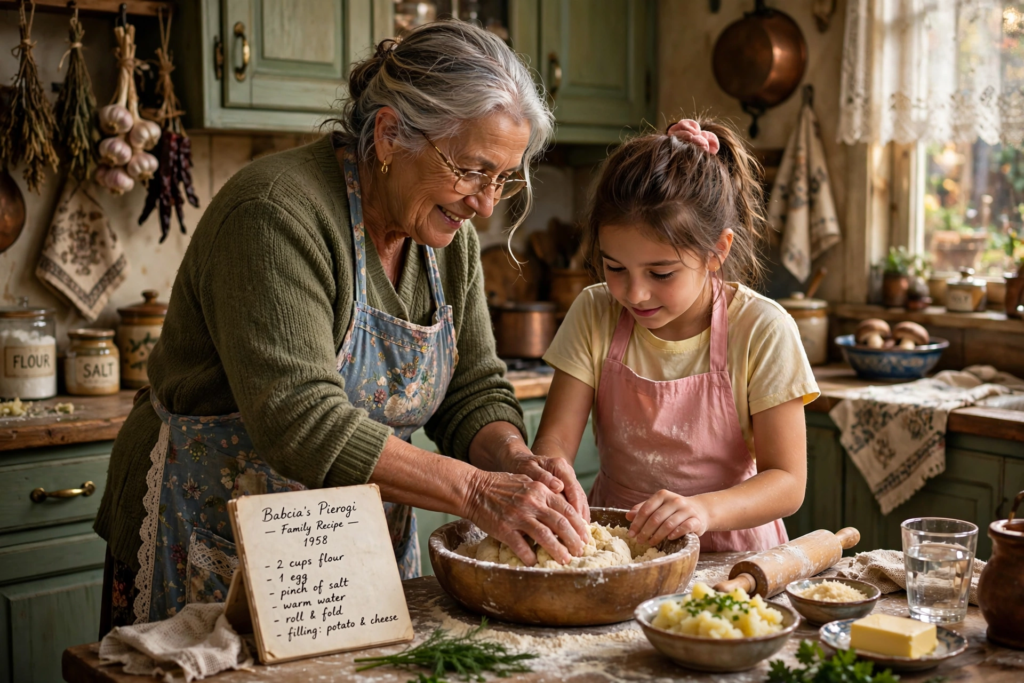
In the three images: Indian grandparents laughing on the floor while building blocks with their two grandkids — that’s joyful play. A grandfather reading a storybook to two wide-eyed kids in pajamas at bedtime — that’s wisdom transfer. A grandmother with silver hair teaching her granddaughter to knead dough for pierogi/roti — that’s legacy.
In India, grandparents were never “old people who visit.” They were the center of the joint family. In 2026, with nuclear families and migration, grandparenthood is changing — but its importance is increasing, not decreasing.
1. Why Grandparenthood Matters — For Everyone
For Grandchildren:
- Children who have close relationships with grandparents have higher emotional resilience, better academic performance, and lower anxiety.
- Grandparents give unconditional love without the pressure of marks and manners. “Mummy says no, but Daadi will say yes” — that little rebellion is actually important for a child’s sense of being loved beyond conditions.
- They are storytellers of roots. Where did we come from? What did your father do when he was your age? That gives a child identity.
For Parents:
- Grandparents are the ultimate backup. Free, trusted childcare, especially in the first 5 years, reduces parental stress by 40%.
- They are parenting mentors. “Arre, he has fever because of teething, not cold” — annoying sometimes, but often wise.
- They allow parents to have couple time, which keeps marriages healthier.
For Grandparents Themselves:
- Grandparenthood gives purpose after retirement. Science shows grandparents who actively care for grandchildren have 37% lower risk of Alzheimer’s and live 5 years longer on average.
- It heals old parenting wounds. Many grandparents say, “I was too strict with my children. Now I can be gentle with my grandchildren.” It is a second chance.
- It keeps them young. Getting down on the floor to play with blocks keeps knees and minds flexible.
2. The 4 Styles of Grandparenthood
Not all grandparents are same. Psychologists identified 4 styles:
1. The Fun-Seeker: The grandparents in the first image — laughing, playing blocks, wearing bright colors. They want fun, games, trips. They are friends first. Most common in urban India now.
2. The Storyteller / Historian: The grandfather in the second image, reading with star lamps. They preserve family history, mythology, recipes, and values. They are the walking library. Every family needs one.
3. The Nurturer / Caregiver: The grandmother teaching cooking in the third image. She cooks, feeds, massages, nurses when sick. She shows love through food and touch. The heart of the family.
4. The Distant / Formal: Loves from a distance, sends gifts, video calls, but not daily involved. Often due to distance, health, or different values. Still loves, but in a formal way.
Healthy families have at least one of the first three.
3. Modern Challenges of Grandparenthood in 2026
a) Long-Distance Grandparenthood: Grandkids in Canada, USA, Bangalore — grandparents in Upal, Telangana. Love is on WhatsApp video. Guilt is constant. Solution: Weekly fixed video call ritual, voice notes with stories, sending handwritten letters — kids love them.
b) Parenting Style Clash: “We gave you cold water at 6 months and you survived” vs “Doctor says no cold water before 1 year.” This is the biggest source of fights. Solution: Grandparents follow parents’ rules when parents are present. Parents allow grandparents’ way when they are in charge, unless safety is at risk. Respect both ways.
c) Health Limitations: Want to play but knees hurt, eyes can’t see small Lego. Solution: Adapt play — storytelling, puzzles, cooking, gardening instead of running.
d) Being Taken for Granted: Many grandparents become full-time unpaid nannies, exhausted. Their own old-age dreams get paused. Solution: Parents must set boundaries, say thank you daily, give grandparents breaks and their own social life.
4. How to Be a Great Grandparent (And How Parents Can Help)
For Grandparents:
- Don’t spoil to compete. Don’t say “Your mummy doesn’t know anything.” That divides loyalty.
- Ask before advising. “Can I share how we did it?” not “You are doing it wrong.”
- Keep your own life. Your own friends, walks, hobbies. A happy grandparent is better than a martyred one.
- Tell stories. Record your childhood stories on phone. Your grandchildren will cherish this after you are gone more than property.
For Parents:
- Let grandparents have their own bond. Don’t micromanage every biscuit and bedtime.
- Create grandparent rituals: Sunday lunch at their house, grandma’s recipe day, grandpa’s evening walk.
- Defend grandparents in front of kids. If you respect them, your kids will.
- Include them in decisions, not just duties. “Maa, what do you think we should name her?” makes them feel valued.
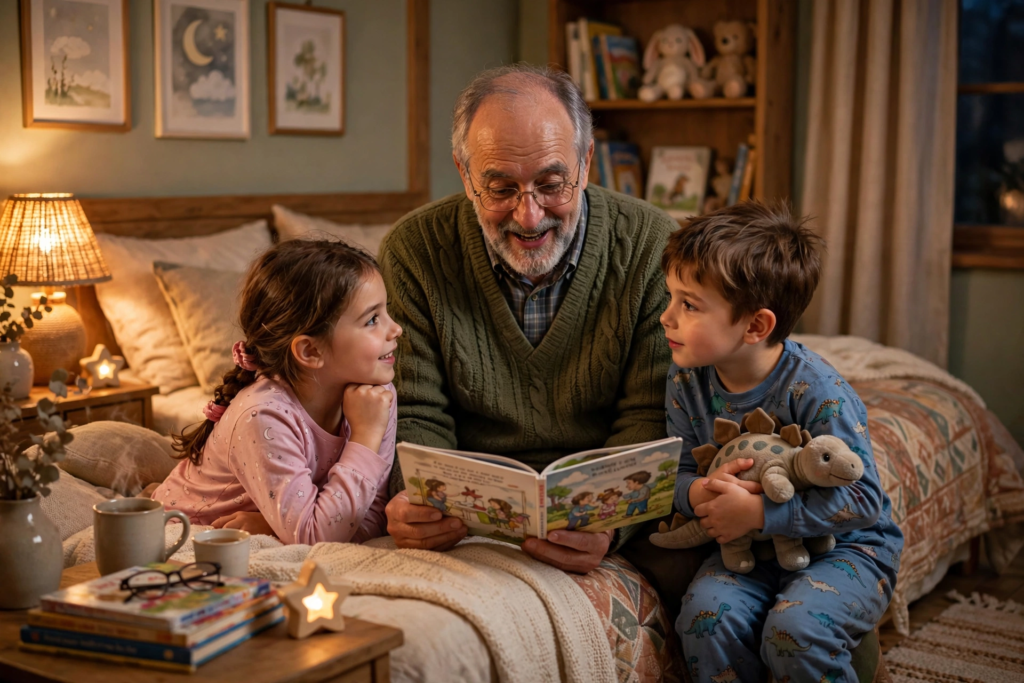
TABLE 1: Grandparenthood vs Parenthood – The Beautiful Contrast
| Aspect | Parenthood | Grandparenthood |
| Primary Role | Responsible for discipline, schooling, health, future | Responsible for love, stories, fun, emotional safety |
| Time Pressure | High – job + kids + home, always rushing | Low – retired or semi-retired, more patience, no deadline |
| Discipline Style | Must say “no” often, set boundaries | Can say “yes” more often, bend rules, give extra mithai |
| Energy | Physically strong but mentally exhausted | Mentally wise but physically limited |
| Love Style | Love with worry – “Did he eat? Did she study?” | Love with delight – “Just be happy, beta” |
TABLE 2: What Grandchildren Gain at Each Age from Grandparents
| Age of Grandchild | What Grandparents Give Best | Best Activity Together |
| 0-4 Years | Unconditional love, sensory play, lap to sit on | Building blocks (as in image 1), peekaboo, lullabies, massage |
| 5-10 Years | Stories, morals, cultural roots, patience for silly questions | Bedtime story reading (image 2), cooking together (image 3), gardening, festival rituals |
| 11-18 Years | Non-judgmental listening, family history, perspective, safe adult to talk to when angry at parents | Teaching a skill – cooking, farming, business, knitting, life advice, video calls if distant |
| 18+ Years | Legacy, wisdom, blessing, sense of belonging, link to ancestors | Passing down recipes, jewelry, property stories, life lessons, being present at their big moments |
Conclusion: Grandparents Are the Roots, Grandchildren Are the Flowers
A family without grandparents is like a tree without roots. It may stand for a while, but it has no depth, no story, no anchor during storms.
Grandparenthood is God’s way of giving you a second childhood — this time, you know how to enjoy it. You don’t worry about marks, you worry about giggles. You don’t rush, you savor.
The block tower will fall, the storybook will close, the dough will be baked and eaten — but the memory of a grandparent’s laugh, their smell, their story, will stay in a child’s heart for 80 years.
If you are a grandparent — you are not “old.” You are essential. Your stories are the vaccine against your grandchild’s future loneliness.
If you have grandparents — call them today. Not tomorrow. Today. Ask them to tell you one story about their childhood. Record it.
Because one day, that voice will be the one you will crave to hear again.