The Most Powerful Love Story Ever Written

Introduction: What is Motherhood?
Motherhood is the only love that begins before you even meet the person. A mother loves her child when it is still a heartbeat on an ultrasound, a kick in the dark, a name whispered before birth.
If fatherhood is about showing the world to the child, motherhood is about showing the child that they are safe enough to explore that world. A mother’s lap is the first home, her arms are the first country, her voice is the first lullaby and the first law.
In the images above, motherhood is shown in its three most honest forms: the young Indian mother in a green kurta breastfeeding her newborn in a sunlit bedroom — raw, intimate, and divine; the working mother with a laptop and a child doing homework — the juggling reality of 2026; and the elderly mother and adult daughter laughing in a kitchen — proof that motherhood never retires, it just becomes friendship.
Motherhood is not a job. It is not a role. It is a transformation of body, brain, and soul.
1. The Biology of Motherhood – Why It Changes Everything
When a woman becomes a mother, her brain literally changes. Neuroscience calls it “matrescence” — like adolescence, but for becoming a mother.
- Brain: Grey matter shrinks in some areas to make the mother more attuned to her baby’s needs. She becomes hyper-sensitive to a baby’s cry.
- Hormones: Oxytocin (love hormone) floods during skin-to-skin, breastfeeding, and even just looking at the baby. It bonds mother and child like super-glue.
- Heart: A mother’s heart beats in sync with her newborn during chest-to-chest contact.
- Instinct: That feeling of knowing your baby is hungry even before they cry? That’s not magic, that’s maternal brain wiring.
This is why motherhood feels so intense. You are not just loving a child; your entire biology is reorganized around keeping that child alive.
2. The 4 Stages of Motherhood
Stage 1: The Survival Mother (0-2 Years)
The breastfeeding image. Sleepless nights, body pain, leaking breasts, endless feeding, and a love so fierce it scares you. In this stage, mother is milk, warmth, and safety. She learns to function on 2 hours of sleep and to find joy in a burp. The world tells her to “bounce back.” Real motherhood says, “You will never be the same, and that’s the point.”
Stage 2: The Teacher Mother (3-12 Years)
The homework image captures modern motherhood perfectly — laptop open for office, notebook open for child. Mothers become the first teachers: of language, manners, kindness, and resilience. She teaches how to tie laces and how to say sorry. She is chef, nurse, driver, therapist, and referee, all before 9 AM.
This stage is exhausting because the mental load is invisible. Remembering vaccination dates, tiffin preferences, which friend fought with whom — mothers carry a mental spreadsheet that never shuts down.
Stage 3: The Guiding Mother (13-20 Years)
Teenage motherhood is the hardest. Your child who once clung to your saree now rolls eyes. Your job shifts from manager to consultant. You must let them make mistakes while staying close enough to catch them if they fall too hard. The best mothers in this stage master the art of listening without immediately fixing or lecturing.
Stage 4: The Friend Mother (20+ Years)
The kitchen hug image — elderly mother with grey hair laughing with her adult daughter in denim. This is the reward. Your child no longer needs your permission, they want your company. You become friends. You share recipes, not just rules. You gossip, travel, and finally, your daughter understands why you did everything you did. And she says, “Mumma, thank you. Now I get it.”
3. Modern Motherhood in 2026: The Real Challenges
a) The Guilt Trap: Working mothers feel guilty for working. Stay-at-home mothers feel guilty for not working. Society judges both. The truth: a happy, fulfilled mother — whether working or at home — raises happier kids than a guilty, resentful one.
b) The Invisible Load: In 80% of Indian homes, even when both parents work, the mother still does 70% of childcare planning. This load is exhausting and unseen.
c) Postpartum Reality: 1 in 5 mothers faces postpartum depression or anxiety. It is not weakness, not drama. It is hormonal, physical, and emotional upheaval. Symptoms: persistent crying, anger, feeling disconnected from baby, fear of harming baby. It is treatable. Asking for help is motherhood, not failure.
d) Mom-Shaming on Social Media: How to feed, how to sleep train, how to discipline — everyone has an opinion. The modern mother is drowning in advice. The best advice: trust your pediatrician and your instinct more than Instagram.
4. The Motherhood Code
- Good enough is perfect. You don’t need to be a perfect mother; you need to be a present one.
- Take care of yourself without guilt. You cannot pour from an empty cup. A 20-minute walk alone is not selfish; it is survival.
- Say sorry to your children. “Mumma was angry today, I shouldn’t have shouted.” This teaches them accountability and that love can repair.
- Let your children see you fail and try again. That is how they learn resilience.
- Your child doesn’t need an expensive childhood; they need a happy mother.
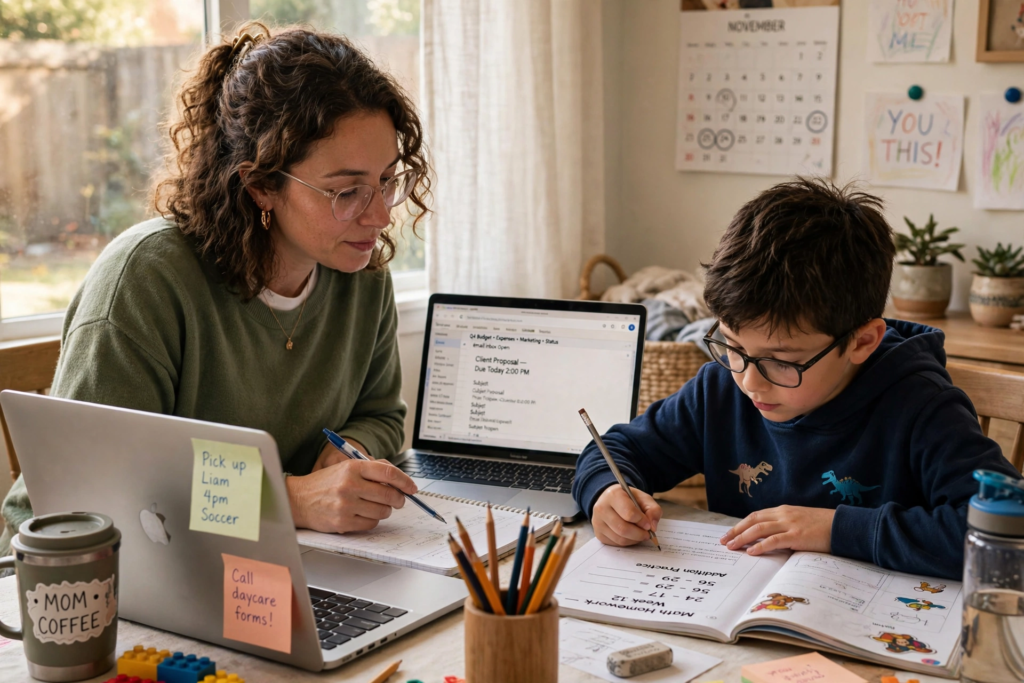
TABLE 1: Types of Motherhood – Every Mother is a Real Mother
| Type of Motherhood | How It Forms | Core Strength | Society’s Myth to Break |
| Biological Mother | Pregnancy and birth | Physical bond, matrescence, breastfeeding journey | Myth: “Natural birth = real mother” – No, all births are real |
| Working Mother | Balancing career and childcare | Teaches ambition, time management, independence to kids | Myth: “Working moms love kids less” – False, they model empowerment |
| Stay-at-Home Mother | Full-time caregiving | 24/7 presence, deep attunement, home as sanctuary | Myth: “She does nothing all day” – Most demanding unpaid job |
| Single Mother | Raising alone due to choice, divorce, loss | Incredible resilience, both mother and father energy | Myth: “Child needs two parents to be okay” – One loving parent is enough |
| Adoptive / Step Mother | Choosing a child by heart, not blood | Love by choice, not chance – the purest form of motherhood | Myth: “Real mother is blood only” – Love makes a mother, not DNA |
TABLE 2: Old Motherhood vs New Motherhood
| Aspect | Old Motherhood (Before 2010) | New Motherhood (2026) |
| Identity | Motherhood was entire identity – “Just a mother” | Motherhood is part of identity – “I am a mother AND…” |
| Support System | Joint family, many helpers, community parenting | Nuclear family, often alone, relies on daycare, apps, partner |
| Discipline | Authoritarian – “Because I said so,” sometimes hitting | Gentle parenting – boundaries with empathy, no hitting, explain |
| Self-Care View | Self-care seen as selfish, “Mothers sacrifice always” | Self-care seen as necessary, “Happy mother = happy child” |
| Father’s Role | Father earns, mother raises – separate roles | Co-parenting – both share feeding, bathing, homework, emotional labor |
Conclusion: Motherhood Never Ends
Motherhood doesn’t end when your child turns 18, gets married, or has their own children. It just changes form.
The mother who once held you to her chest to feed you will one day hold your hand while you feed your own child, and say, “You are doing great.”
If you are a mother reading this, exhausted, doubting yourself — look at these three images. You are all of them: the tender nurturer, the juggler who manages work and homework, and the future friend who will laugh with your grown child in a sunny kitchen.
You are enough. Exactly as you are.
And if you have a mother — call her. Not for a need, but just to say, “Thank you for being my first home.”